
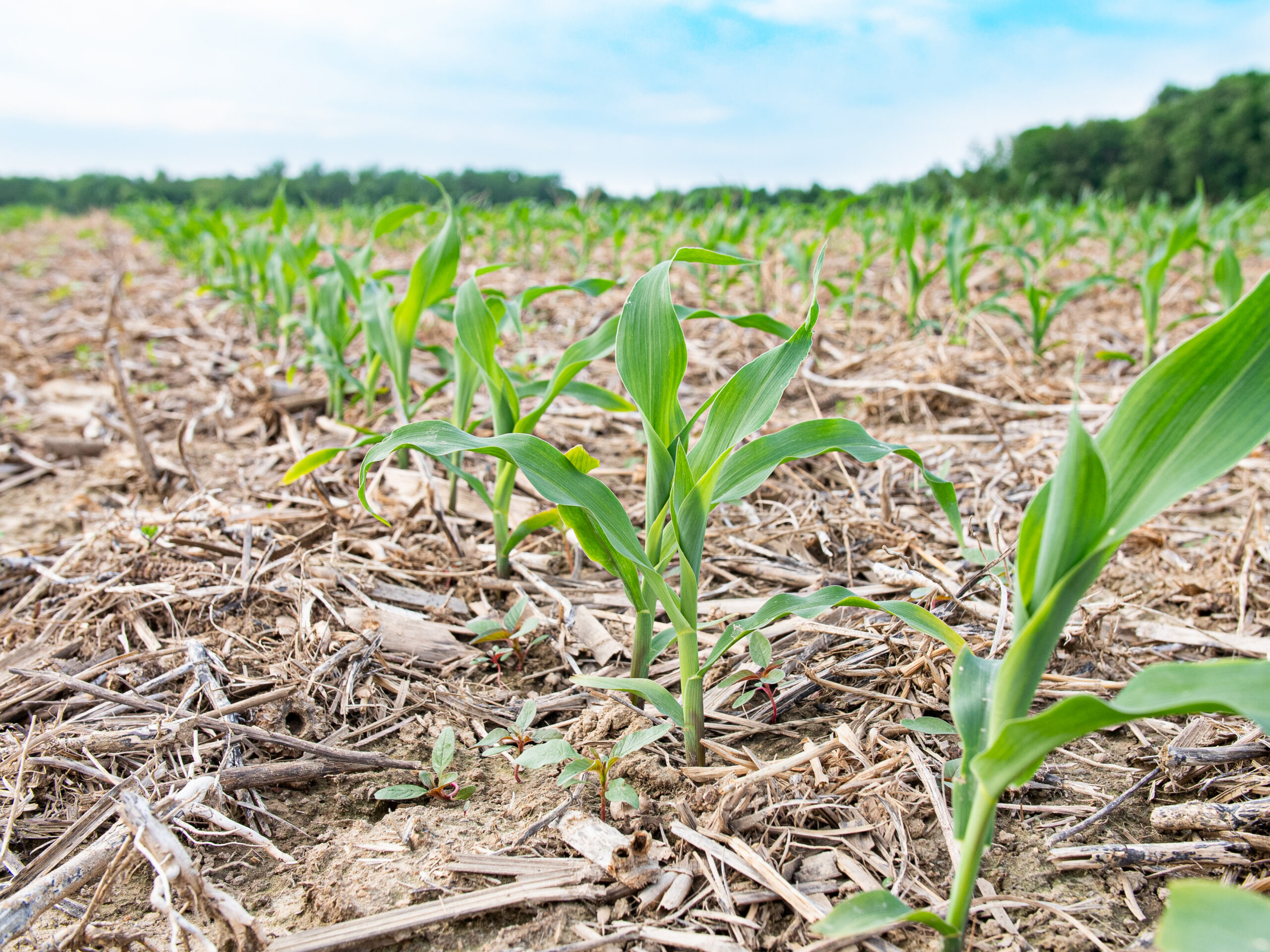
Farmers across America are discovering something amazing beneath their feet. The secret to better crops and healthier land isn’t always found in a bottle or bag. It lives naturally in the soil, waiting to be awakened through smart and intentional farming practices. Soil microbial communities play a large role in soil metabolic activity and drive critical ecosystem services like decomposition and nutrient cycling.
Bacteria, fungi, and other microscopic creatures transform dead plant material into food that crops can use. Regenerative agriculture & microbes work together like partners in a successful business. When farmers treat soil as a living system rather than just dirt, these microorganisms multiply and strengthen.
How Traditional Farming Hurts Soil Life
Conventional farming methods can accidentally damage the very organisms that make soil productive and alive. Heavy tilling breaks apart fungal networks that connect plant roots. Chemical fertilizers flood the system with quick nutrients but starve the microbes that naturally produce those same nutrients.
Soil health drops when microbial diversity and abundance decreases. Farms become dependent on more chemicals to achieve the same results. It’s like trying to run a factory with fewer workers each year while expecting the same output.
Different microbes handle different jobs in the soil. Some break down tough plant materials. Others protect crop roots from diseases. Many form partnerships with plants, trading nutrients for sugars. This complexity creates a stable system that keeps working even when conditions change.
Healthy microbial communities also help crops handle stress better. During droughts, diverse soil life improves water retention. When diseases threaten, beneficial microbes compete with harmful ones, protecting plant roots naturally.
Farmers don’t need complicated systems to start improving their soil life. Cover crops provide food for microbes when cash crops aren’t growing. These plants keep living roots in the ground, which helps more microbes stay fed year-round instead of going dormant.
Crop rotation brings diversity that supports more types of beneficial organisms. Different plants feed different microbes, and varying root depths access nutrients from multiple soil layers. This natural variety strengthens the entire system.
The benefits of regenerative farming show up quickly in soil tests and gradually in farm economics. Crops access nutrients more efficiently when healthy microbial populations cycle them naturally. This means farmers are able to spend less on fertilizers while maintaining or improving yields.
Weed and pest pressure often decreases, too. A diverse microbial community supports beneficial insects and creates conditions where crops outcompete weeds naturally. This reduces herbicide needs and the labor involved in weed management.
Fungal to bacterial ratio serves as an important indicator of soil condition. Healthy agricultural soils need both types of microbes, but many farms have shifted too far toward bacteria-dominated systems. Restoring fungal populations helps lock carbon in the soil and improves overall stability, as fungi connect different plants and transport nutrients across distances that roots alone could never reach.
The science behind soil biology keeps advancing, giving farmers better tools and understanding. New microbial products target specific crop needs or soil conditions. Education and support networks help farmers adopt these methods successfully. Universities, extension services, and farmer groups share practical knowledge gained from real-world experience. This collective learning accelerates the regenerative movement.