
Imagine this: The earthy scent of microbes breaking down leaves in the soil fills the air. Your harvest is complete, the season is winding down, and you’re likely looking forward to a well‑deserved break. But before you prepare for winter, seize the opportunity to assess the health of the microbes in your soil. It will pay off next spring! Testing microbial biomass carbon (MBC) and fungal-to-bacterial (F: B) ratios during autumn sets the stage for healthier, more resilient soils next spring. This proactive step is in your hands, and it’s a crucial one.
Here’s why autumn is the sweet spot for measuring soil biology:
1. Post-harvest tests show the real impact of your management
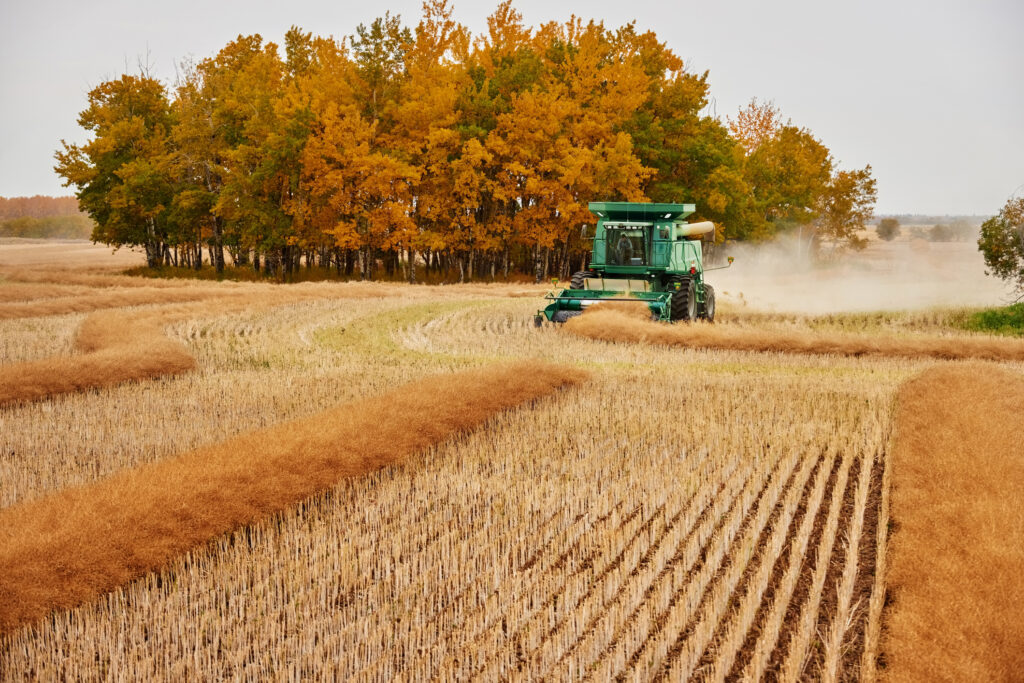
Sampling during autumn captures the “end-of-season report card” for your soil. It reflects how crops and cover crop management shaped microbial life through the growing season. Studies by Cornell University show post-harvest data shows differences between treatments, with diverse cover rotations supporting higher microbial activity compared to standard fallow fields. In other words, autumn tests provide a clear picture of how your decisions paid off biologically.
2. Results guide action plans for the winter
Nebraska Extension notes that low MBC signals low biological activity and carbon availability—exactly the type of challenge that can be addressed when you act ahead of spring. Autumn is your window to respond before soils go quiet in winter. If MBC trends low, you can jumpstart recovery with practices like:
3. Amendments need time to work
If you know your soil is acidic and requires lime, autumn or manure additions, autumn is the best time to make applications and alterations to the microbial ecosystem. Amending now gives the soil several quiet winter months to equilibrate, ensuring pH is in the right range for nutrient availability and microbial activity by the time you plant again.
4. Fall testing builds valuable trend data year over year
Soil health is about direction, not just snapshots. Measuring MBC and F: B ratios every autumn lets you to track whether regenerative practices are truly building biology year after year. That trendline is powerful for farmers, researchers, and anyone looking to prove results.
Final Takeaway: Think of fall microbial testing during autumn as giving your soil a health check before it goes to sleep. You’ll capture a clear understanding of how the season’s management impacts microbes and receive the insights you need to act. When spring rolls around, and microbial life ramps up, you’ll be ready with soils that are biologically prepared for partnering with plants in helping them grow.
Here’s something that might surprise you: fungi represent one of the most diversified kingdoms on Earth, with estimates reaching up to 12 million species, yet only 150,000 fungal species are currently described. This massive knowledge gap hints at just how much we’re still discovering about these microscopic powerhouses that quietly drive soil health and ecosystem productivity.
The Hidden Network: Understanding Soil Fungi
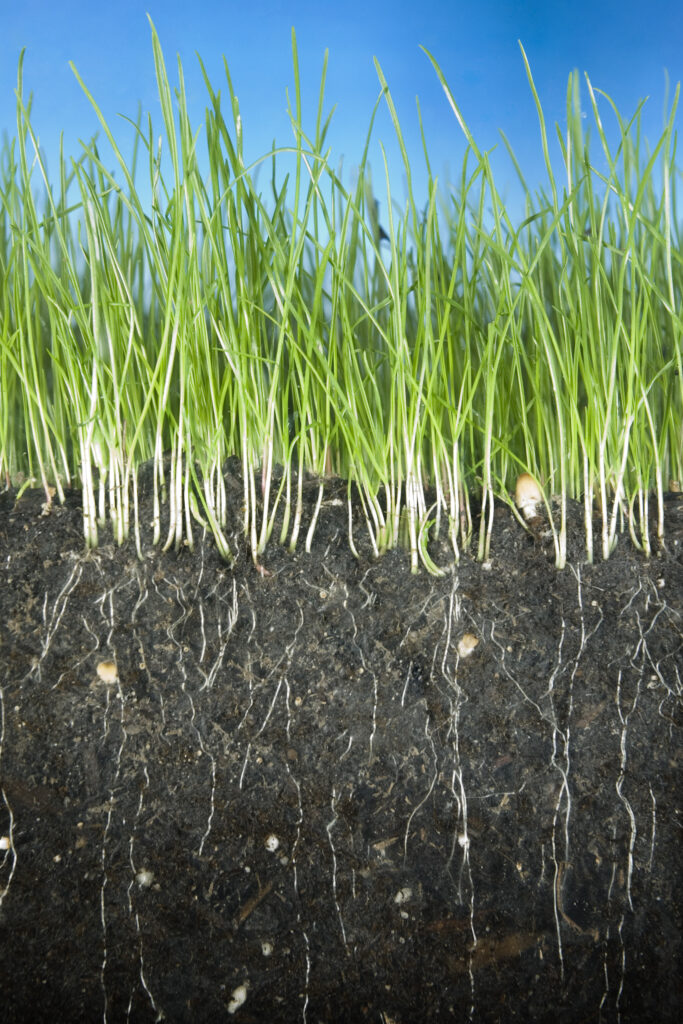
Soil fungi aren’t just tiny mushrooms waiting to sprout after rain; They’re sophisticated organisms that form extensive underground networks. These thread-like structures, called hyphae, can extend for miles through soil, connecting plants and facilitating nutrient exchange across vast distances. Fungal biomass is particularly important due to its role as a biological bridge. While bacteria excel at breaking down simple organic compounds, fungi are up to 4x more effective at utilizing complex compounds like lignin and cellulose.
Carbon Storage Champions: The Fungal Advantage
Soil stores more carbon than the atmosphere and all living vegetation combined. Fungi play a major role in this process and recent studies have uncovered some fascinating details about their carbon storage capabilities. This challenges previous assumptions about soil carbon dynamics and highlights why fungal biomass matters more than we previously realized.
The Fungal-Bacterial Balance: Why Ratios Matter
Here’s where soil science gets really interesting. It’s not just about having fungi present; it’s about achieving the right balance between fungi and bacteria. Research using RNA sequencing, protein profiling, and isotope tracer techniques has shown that higher fungal-to-bacterial ratios are linked to altered carbon cycling and enhanced soil carbon storage.
The implications extend beyond carbon storage. Fungi contribute to:
Mycorrhizal Magic: Plant-Fungi Partnerships
The symbiotic relationship between plant roots and fungi, specifically mycorrhizal, is incredible. Mycorrhizal fungi form intimate partnerships with a majority of plant species, creating mutually beneficial exchanges that have evolved over hundreds of millions of years. These partnerships work like underground trading networks. Plants provide fungi with carbon-rich sugars produced through photosynthesis. In return, fungi extend the plant’s root system exponentially, accessing water and nutrients from areas the roots could never reach alone.
Environmental Restoration and Fungal Recovery
The importance of fungal biomass becomes even more apparent when examining ecosystem restoration efforts. Desertified system restoration shows that with recovery efforts, plant species richness and aboveground biomass increase significantly, along with improvements in soil organic carbon and total nitrogen. Fungi play a critical role in this restoration process. Their extensive hyphal networks help stabilize soil, reduce erosion, and create the foundation for plant community recovery. As fungal communities reestablish themselves, they facilitate the return of diverse plant species and accelerate ecosystem recovery.

Successful composting depends on understanding the microbial life within your compost pile. This is where soil testing kits become invaluable tools for gardeners and farmers alike. Modern testing technology allows you to analyze your compost’s biological activity with scientific precision, ensuring you create nutrient-rich amendments for your soil.
Understanding Compost Biology
The foundation of excellent compost lies in its microbial ecosystem. Billions of bacteria, fungi, and other microorganisms work together to break down organic matter into valuable nutrients. These microscopic workers determine whether your compost becomes a powerhouse of plant nutrition or simply decayed organic matter with limited benefits. Bacterial populations typically dominate the early stages of composting, breaking down simple compounds like sugars and proteins. As the process continues, fungal networks develop to tackle more complex materials such as cellulose and lignin. The balance between these microbial communities directly affects the quality and effectiveness of your finished compost.
The Science of Compost Testing
Traditional methods of evaluating compost quality relied heavily on visual inspection, smell tests, and temperature monitoring. While these indicators provide useful information, they cannot reveal the true biological potential of your compost. Modern soil testing kits offer scientific analysis that goes beyond surface observations. Microbial biomass testing measures the total amount of living microorganisms in your compost sample. This measurement indicates the biological activity level and helps predict how effectively the compost will benefit your soil. The fungal-to-bacterial ratio represents another critical measurement that influences how compost affects different types of plants. Vegetables and annual crops typically prefer bacterial-dominated compost, while trees, shrubs, and perennial plants benefit from fungal-dominated amendments. Understanding these ratios helps you tailor your compost for specific garden applications.
microBIOMETER® Technology Advantages
The microBIOMETER® advanced testing platform system brings quality analysis to home composters and small-scale farmers. These tools eliminate guesswork by providing quantitative data about microbial populations in compost samples. The testing process involves extracting microorganisms from compost samples and analyzing the color intensity of the solution using specialized reagents, measurement cards, and the microBIOMETER® app. Results appear within minutes, allowing you to make immediate adjustments to your composting process if needed. This standardized approach ensures reliable results that you can track over time to monitor improvements in your composting methods.
Conclusion
Regular testing throughout the composting process helps identify optimal harvest timing. Compost that appears finished may still contain high levels of bacterial activity, indicating continued decomposition. Investing in soil testing kits transforms composting from an art into a science-based practice. Understanding the microbial life in your compost empowers you to create consistently high-quality amendments that maximize plant health and soil fertility. Modern testing technology makes this level of analysis accessible to gardeners at every skill level, building confidence in composting success.

Prolific Earth Sciences is excited to announce the release of microBIOMETER® PRO. This extensive update has been three years in the making and features improved precision, increased consistency between phones, advanced nutrient metrics and sample geolocating. Please update your microBIOMETER® Reader app to 3.8.6 to access the PRO version.
What’s NEW!
• Test card. We redesigned the test card to reduce variance in results between phone models and better adjust for different lighting.
• Results. The results are now expressed as microbial biomass instead of microbial carbon.
• Moisture: We have changed the moisture assumption in our algorithm from 40% to 20% which is more in line with average soils. We also added a feature to allow users to adjust the moisture assumption to reflect soils with moisture contents closer to 10% or 30%. Moisture assumption for compost testing remains at 40%
• Geolocation: This new feature allows users to save the location where their sample was collected and perform the test at a later time while keeping the recorded sample location.
• Advanced Nutrient Metrics: As an understanding of how microbes contribute to nutrient availability increases, we have added calculated metrics to help users understand how their soil microbes are contributing to nitrogen and carbon stores in the soil. These are results extrapolated from microBIOMETER® results and the calculation and assumptions are detailed in the app informational pop-ups and our website FAQs.
• Soil and Compost: The PRO version will test both soil and compost, however, will no longer support direct testing of compost tea or extract.

With the exception of the test cards, all the supplies as well as the instructions will remain the same whether using the Classic or PRO version. The updated app will prompt you to choose a version so you can still use the classic test cards. We will also be selling Classic cards in refills for the foreseeable future. However, all new Starter Kit purchases will now be the PRO version only and contain the new test cards. For customers with ongoing trials, you may want to continue with the Classic test cards to track changes based on historical benchmarked tests.
In the updated app, we have made significant changes to units, underlying assumptions, and calculations. Therefore, we encourage users to continue with one version within a study or experiment since comparing the absolute values of the two is difficult. We have always encouraged using microBIOMETER® as a benchmark test and to focus on the changes over time. We will continue to supply the microBIOMETER® Classic test cards so that ongoing studies and trials can continue. However, we strongly recommend using the PRO version for all new testing and studies.
We would like to thank all of our customers that have given us feedback over the years. Your comments, both good and bad, have helped us improve the microBIOMETER®. Please keep sharing! And as always, we appreciate your continued support.

The Paddock Project, a working market garden providing fresh, seasonal produce to locals and visitors in Mullumbimby, is currently in the process of converting to fully certified organic status, marking an exciting step forward in their commitment to regenerative agriculture. The Paddock is committed to enhancing farming practices using chemical free, syntropic farming principles to guarantee quality produce from their paddock to your plate.
While recently undertaking their very first organic audit—thanks to a generous Grow the Growers grant from Santos Organics—they had the opportunity to test their soil using microBIOMETER® which was recommended to them by their assessor. The microBIOMETER® test provided instant insight into the health of their soil. After seven years of regenerative farming practice, using syntropic “chop and drop” methods, planting trees, and adding natural nutrients, they were thrilled to learn that their soil showed exceptionally high levels of fungal and microbial activity. It was real, measurable proof that their soil stewardship was working and their efforts to nurture and care for the soil were paying off.
So far, the Paddock Project has used microBIOMETER® on their syntropic food forests, however, they are already planning their next round of testing. They hope to implement regular quarterly testing moving forward to track the health of their soil seasonally and adjust inputs accordingly to continue improving soil biodiversity and plant health.
They’re also proud to report that the amount of carbon sequestered in their soil is off the charts further reflecting the positive impact of their practices. Every decision they make is driven by a vision for a healthier, more resilient future.
“What stood out to us immediately was how easy it was to use microBIOMETER®—no need to send samples to a lab or wait weeks for results. In just minutes, we had clear, quantifiable data right from the paddock. The speed and simplicity of the test made it ideal for our busy, hands-on farm environment. microBIOMETER® is an empowering tool for any grower or land steward who wants to make decisions based on real-time soil biology—not guesswork. It’s also incredibly satisfying to see proof that what you’re doing is making a difference. For The Paddock team, microBIOMETER® has become more than just a testing tool—it’s a celebration of how far our soil has come.”
Please visit The Paddock Project on Instagram learn more about the work they are doing.

Bucknell University is a private liberal arts college in Lewisburg, Pennsylvania with excellent research facilities and innovative teaching. Students get the opportunity to work closely with professors in their chosen field.
Students in the Biology 203, Integrative Concepts in Biology, laboratory have a unit all about soil. The students visit the Bucknell Farm to learn about the properties of healthy soil. They then pick a location on campus to study. Students study the health of the soil in different conditions, such as soil with native flowers growing compared to soil under a tree. They measure microbial biomass, soil respiration rate, and various other soil properties to determine the overall health of the soil.
“The microBIOMETER® test allows students to quickly and easily measure microbial biomass and the relative amounts of bacteria and fungi in the soil. It is easy to use for non-experts with very quick results! We have measured huge differences in the microbial biomass at locations across Bucknell’s campus and have been surprised to have very high levels of biomass in the grassy areas, too!” – Rebekah Stevenson, Director of Core Course Laboratories – Biology Department


 American BioChar Company is a Michigan-based company run by longtime green industry couple, Mark & Laurie Mann. For more than two decades, they have been researching and developing programs and products to improve soils, root conditions, and plant growth in urban, rural, and agricultural landscapes.
Over the last 3 years, they have conducted trials on blueberry farms in SW Michigan, using the microBIOMETER® and other soil-metric tests. The trials compared soils of blueberry bushes treated with their VITAL Blend soil amendment to those with untreated soil. Data was collected in the spring, summer and fall each year to demonstrate the natural ebb & flow of microbe communities in soils. Not only does the data show the steady increase of soil microbial biomass, but overall the trial sites have improved soil structure and more nutrient dense crops.
“The biggest impact we have in using the microBIOMETER® is demonstrating the successful transformation within the soil, following applications of our different biochar blended soil amendments. It provides confidence in our product and helps move the client conversation toward the biological benefits of our product. When a client is able to see and track the fungal to bacterial ratio for their soil overtime, it is very empowering.”
American BioChar is also undergoing several other trials throughout the mid-west with corn, cannabis, soybeans, and tree rhizospheres, using both their VITAL Blend and their new GRATEFUL Blend living soil. As both blends provide active and fixed carbon to soil, these trials were aimed to enhance and increase soil biology and restore nutrient density. Pre- and post- application photos can show how these products improved overall crop production.
Recently, Laurie Mann and microBIOMETER® president Laura Decker participated in Heart & Soil Magazine‘s Soil Summit discussing “How to Increase the Speed of Microbe Growth”. Click here to watch!

American BioChar Company is a Michigan-based company run by longtime green industry couple, Mark & Laurie Mann. For more than two decades, they have been researching and developing programs and products to improve soils, root conditions, and plant growth in urban, rural, and agricultural landscapes.
 Overton Environmental Enterprises, Inc. is a Canadian company that develops innovative biotechnology solutions that reduce reliance on chemical fertilizers and pesticides.
Their EcoTea™ products and research are focused on helping farmers work with soil ecosystems instead of against them. In their years of research they have proven direct results from using broad spectrum biology but the impacts in the soil and changes in soil quality have been harder to showcase.
Three seasons ago they discovered the microBIOMETER® testing system. These tests have given them a way to benchmark pre application conditions, the post application changes and most importantly the improvements over time. This real-time way for farmers to see the unseeable has given them confidence in the value of biology for their soils and programs. They use microBIOMETER® to augment field data (i.e. help correlate scores with plant health data and yield). microBIOMETER® has allowed them to show how EcoTea™ can influence root bacterial to fungal ratios and determine (at least in part) the amount of resources the plant is allocating to the rhizosphere.
The microBIOMETER® has given us another way to showcase how re-introducing biology can help our soils and the hard-working communities that rely on them.”
EcoTea™ is a biological product with biodiversity like no other, built on the vision of soil biodiversity enhancing professional success. EcoTea™ combines a wide array of plant-supporting microorganisms fortified with added biostimulants to enhance soil quality and nutrient function. Diversity is the key, allowing our products to adapt and meet your individual site needs, based on plant response and requirements. Our proprietary process built with ecological engineering provides the functional microbial community associated with healthy crops and soil.