
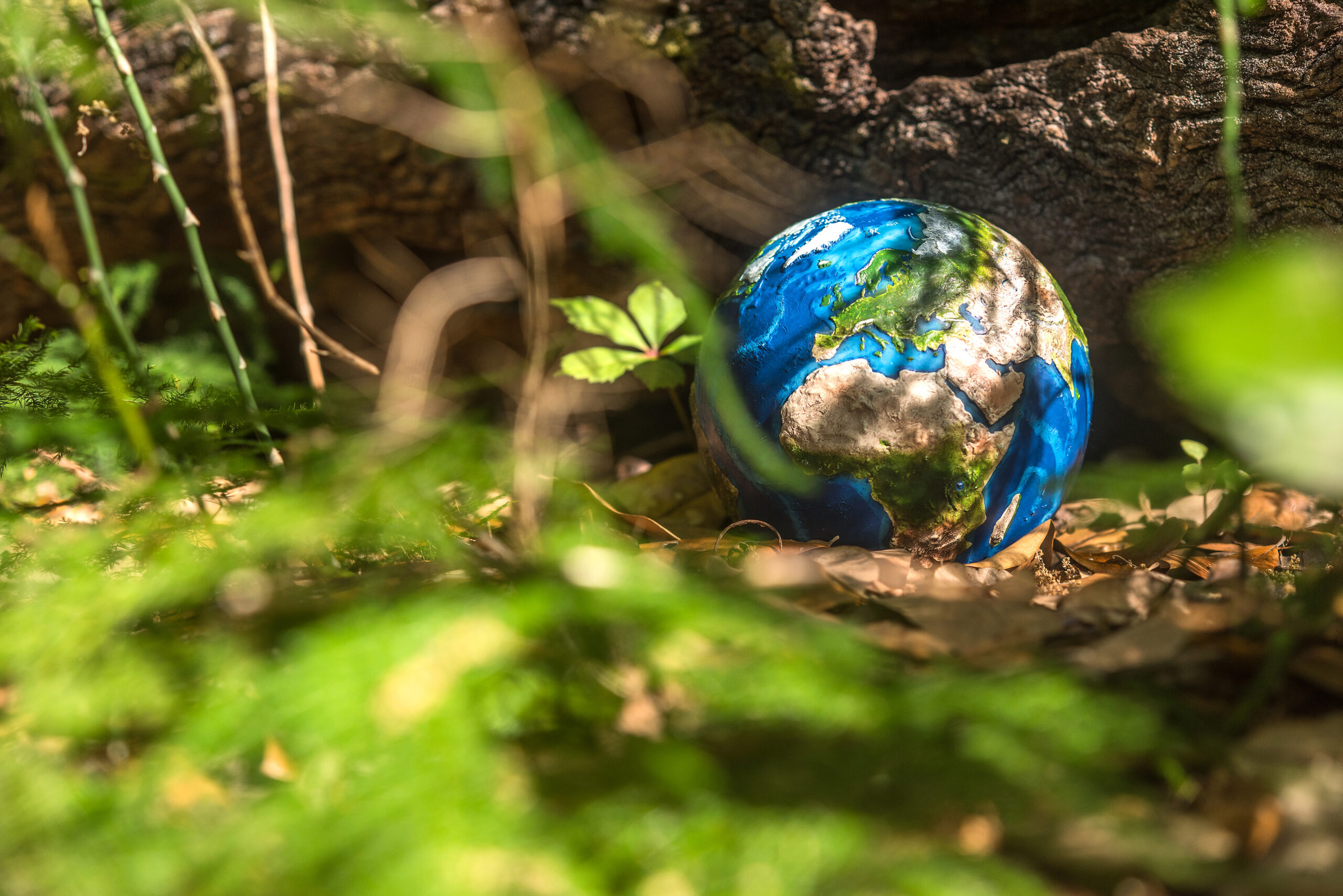
Most people never think about the dirt beneath their feet. They see it as something that makes their shoes messy or their hands dirty. But soil is actually alive with billions of tiny creatures that keep our entire planet running.
Soil health = planet health is not just a catchy phrase. It represents a real connection between what happens underground and the air we breathe, the food we eat, and the water we drink.
What Do Soil Microbes Actually Do?
These tiny organisms perform jobs that keep our planet functioning. Without them, life as we know it would stop. Soil microorganisms break down dead plants and animals. They turn this material into nutrients that new plants can use. This recycling process has continued for millions of years.
They also help plants grow stronger. Some microbes form partnerships with plant roots. They bring water and nutrients to the plant. In return, the plant gives them sugars. This teamwork benefits both sides.
The Carbon Connection
Climate change worries many people today. Soil microbes play a huge role in this challenge. They help store carbon underground instead of letting it float into the atmosphere as carbon dioxide. Soil biology acts like a carbon sponge. When microbes are healthy and numerous, they lock carbon into the soil. This process removes greenhouse gases from the air naturally.
Damaged soil with low microbial biomass and activity cannot store carbon effectively. The carbon escapes back into the air, exacerbating climate issues. Protecting soil life helps fight climate change.
Why Soil Health Matters for Food?
Farmers face increasing pressure to grow more food for our growing population, while facing the need to use fewer chemicals and resources to have more sustainable growing practices. Plants growing in soil rich with microbes need less fertilizer. The microbes provide nutrients naturally and help soil hold water better, reducing the need for irrigation.
Living soil creates stronger plants that resist pests and diseases. This means farmers can use fewer pesticides and the food can become healthier, while the environment stays cleaner.
Testing Makes the Difference
You cannot improve what you cannot measure. This applies to soil health, too. Farmers and gardeners need ways to check if their soil management practices actually work.
Testing methods, such as the microBIOMETER®, measure soil microbial biomass directly. These types of tests show how much life exists in the soil. The microBIOMETER® also estimates the balance between different types of microbes. The fungal-to-bacterial ratio tells us about soil conditions. Different plants and ecosystems prefer different ratios. Vegetables like more bacteria, while trees prefer more fungi. Understanding these preferences helps growers manage their land better.
The Bigger Picture
When we improve soil health in one place, the benefits spread. Healthy soil reduces erosion, stores carbon, and supports both aboveground and belowground biodiversity.
Soil health = planet health because everything connects. The microbes in your garden affect the air quality in your neighborhood.