
You can till your soil, water it, and fertilize it right on schedule, and yet your soil can still struggle where it matters most: below the surface. Soil microbial activity is the real story of soil health, and most growers never get to read it. We built microBIOMETER® because guessing shouldn’t be part of farming.
Chemical tests tell you what nutrients are sitting in your soil today. They don’t tell you whether your soil can actually cycle those nutrients tomorrow. That job belongs to bacteria and fungi living in the ground beneath your feet.
What Is Soil Microbial Activity?
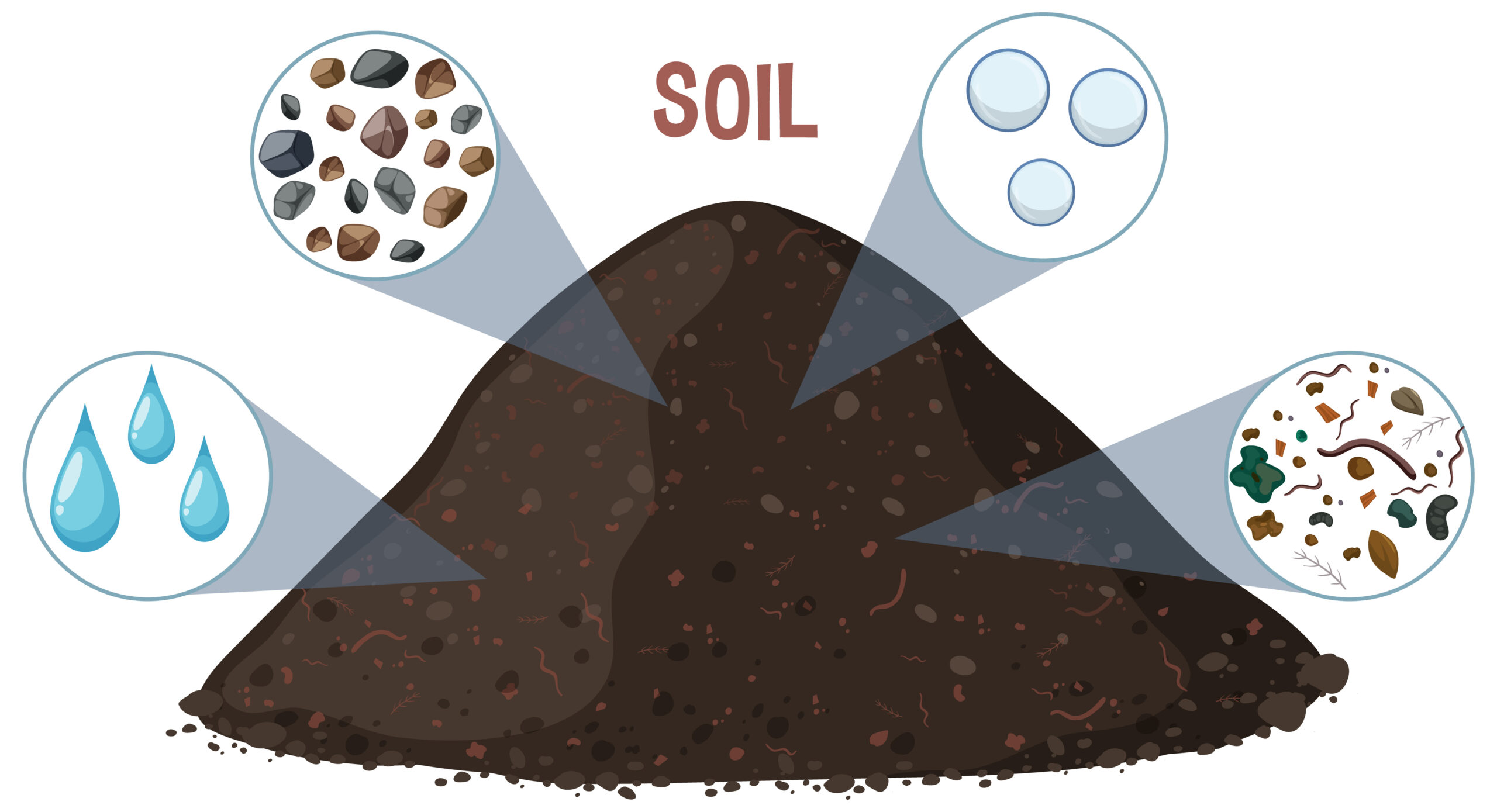
Soil microbial activity refers to how alive and active the bacteria and fungi in your soil are. These microbes break down organic matter, fix nitrogen, and build the structure that lets roots breathe and water move. Research shows that microbial biomass is the leading indicator of soil health, ahead of pH or nutrient panels alone. A soil packed with beneficial microorganisms can fix nutrients naturally, improve plant immunity, and hold water more efficiently. That means fewer inputs and stronger yields over time.
Why Chemical Tests Alone Miss the Bigger Picture
A standard soil test measures nutrients like nitrogen, phosphorus, and potassium at one moment in time. It says nothing about whether your soil ecosystem can keep producing those nutrients season after season.
Living soil functions like a factory. Chemical tests check the warehouse inventory. Biological testing checks whether the machines are actually running.
Here’s what gets missed when you skip biological testing:
How to Measure Soil Microbial Activity Without a Lab
The microBIOMETER® lets you measure soil microbial activity in about 20 minutes, right where you collect your sample. Instead of sending soil to a laboratory, the test uses a patented process that extracts microbes from the soil. As the heavier soil particles settle, the soil-colored
microbes remain suspended in the liquid. A small sample of this suspension is then placed on a test card and scanned using the microBIOMETER® smartphone app, available for both iPhone and Android.
The app analyzes the color intensity of the microbial suspension against a built-in reference on the test card to provide lab-grade measurements of microbial biomass and the fungal-to-bacterial (F:B) ratio.
Rather than serving as a one-time test, microBIOMETER® is designed to help you track changes over time. By testing the same field throughout the season or comparing different fields under different management practices, you can see whether your soil health strategy is increasing microbial biomass and improving the fungal-to-bacterial balance. Consistent sampling methods and testing conditions help ensure the most reliable comparisons.
Indicators of Healthy Soil Biology You Can Actually Track
A biologically healthy soil shows specific, measurable signs. Growers using biological soil health assessment regularly report better structure, improved water retention, and more consistent yields across seasons.
| Indicator | What It Tells You |
| High microbial biomass | Strong nutrient cycling capacity |
| Balanced fungal to bacterial (F:B) ratio | Soil suited to your specific crop |
| Consistent biomass across retests | Management practices are working |
| Rising biomass trend | Soil resilience is improving |
We recommend retesting every few weeks during active growing season. One test gives you a snapshot. Frequent retesting gives you a trend, and trends are what actually guide decisions.
Tracking Whether Your Soil Management Practices Are Working
You added compost. You reduced tillage. You switched to cover crops. But did any of it move the needle on soil microbial activity?
This is where most growers get stuck. Without measurable biological insights, you’re left guessing based on how the soil looks or feels. microBIOMETER® lets you test before and after any management change, so you can see the actual impact on microbial biomass instead of hoping for the best.
Quick management effectiveness checks matter because inputs cost money. Knowing which amendments genuinely boost your soil microbiome means you stop wasting budget on ones that don’t.
Building Regenerative Agriculture Outcomes That Last
Regenerative agriculture depends on one thing above all: living soil that keeps improving instead of degrading. Monitoring soil biology over time helps you track carbon storage progress and long-term soil resilience, not just this year’s harvest.
We work with growers, agronomists, and researchers who want proof their regenerative practices are working. microBIOMETER® gives that proof through consistent, affordable, on-site testing that fits into any season’s workflow.
Improving soil microbial activity isn’t a one-time fix. It’s an ongoing relationship between what you do to your soil and what your soil does back for you.
The Bottom Line on Soil Biology
Soil health isn’t just chemistry. It’s biology, and biology needs to be measured directly to be understood. We built microBIOMETER® so growers, consultants, and researchers everywhere can finally see what’s happening beneath the surface, without waiting weeks or spending a fortune on lab work.
Frequently Asked Questions
What does low soil microbial activity mean for crop yield?
Low soil microbial activity usually means poor nutrient cycling, weaker plant immunity, and reduced water retention. Crops in such soil often need more fertilizer to achieve the same results, since the natural biological processes that support root health and nutrient uptake are underperforming.
How often should I test soil microbial biomass?
Most agronomists recommend testing every 4 to 6 weeks during the growing season, especially after applying amendments. Frequent retesting with microBIOMETER® reveals trends in microbial biomass, helping you confirm whether management changes are improving soil biology or having little effect.
Can soil microbial activity be improved quickly?
Soil microbial activity can shift within weeks after changes like reduced tillage, cover cropping, or compost application, though major improvements typically take one to two full growing seasons. Consistent, science-backed practices paired with regular biological testing produce the most reliable long-term gains.
Is fungal to bacterial ratio the same for every crop?
No, fungal to bacterial ratio needs vary by crop type. Row crops often perform well with more bacterial-dominant soil, while perennials and forests typically thrive with higher fungal presence. Testing your specific ratio helps you match soil biology to what your crop actually needs.
Does tillage always harm soil microbial health?
Frequent, deep tillage generally disrupts fungal networks and reduces microbial diversity over time. Occasional, shallow tillage causes less damage, especially when paired with organic matter additions. Reduced or no-till practices, combined with regular biological testing, tend to support stronger long-term microbial biomass.