
Soil looks simple. But a small clump contains an entire world teeming with life. Understanding microbial life in soil changes how people think about growing plants.
Microbial biomass carbon varies around a median of 206 micrograms per gram of soil.
The Invisible Workers Underground
Soil microorganisms, including bacteria, fungi, and archaea, drive essential soil functions such as nutrient cycling, organic matter decomposition, and disease suppression.
Bacteria often represent the most numerous group. They break down dead plant material and transform nutrients into forms plants can use. Some bacteria fix nitrogen from the air, turning it into fertilizer that plants need for growth.
Fungi contribute heavily to soil structure and the break down organic matter, significantly contributing to the conversion of carbon to stable organic matter. This makes fungi extremely efficient at building long-term soil health.
How Do Bacteria Help Plants Grow?
Bacteria do several important jobs in soil. As they decompose organic matter like leaf litter or dead roots, nutrients locked inside dead material are released and become available for plants to use.
Nitrogen-fixing bacteria work with plants in special partnerships. Bacteria like Rhizobium form symbiotic relationships that fix nitrogen, converting atmospheric nitrogen gas into usable ammonia that plants absorb through their roots. This free fertilizer helps plants grow strong without chemical additions.
Some bacteria dissolve minerals in soil. Bacteria such as Micrococcus, Enterobacter, and Pseudomonas play crucial roles in phosphorus solubilization, making phosphorus available for plant uptake. Plants need phosphorus for root development.
Understanding Fungi’s Critical Role
Fungi look different from bacteria; not only are they larger, but they have slightly different pigments. Fungal biomass is necessary for healthy soil—their size and structure give them special abilities.
Fungi break down tough plant materials like wood and tree bark. They produce special enzymes that dissolve lignin, the substance that makes wood hard. This decomposition creates rich, dark soil called humus that holds moisture and nutrients.
How Farming Practices Affect Soil Microbes
Fungi and bacteria keep each other in check through symbiotic relationships. Different plants prefer different ratios of fungi to bacteria. Annual crops may prefer lower fungal-to-bacteria ratios, while perennials prefer higher ratios. Forests have the highest ratios because trees depend heavily on fungal networks for nutrients.
According to a study by Lori et. al. in 2017, organic farming systems show 32 to 84 percent greater microbial biomass compared to conventional systems. Adding compost, manure, and cover crops feeds soil microbes and helps grow their populations.
Chemical fertilizers and pesticides harm soil microbial communities. Fungicides kill both harmful and helpful fungi. Without beneficial fungi, plants struggle to access nutrients and water. This forces farmers to add more chemicals, creating a cycle that damages soil health.
Understanding Soil as a Living System
Soil microbial biomass represents the foundation of productive agriculture and healthy gardens. When people protect and feed these microscopic workers, they foster plant-soil interactions and receive a stronger and healthier soil community.
Learning about soil microbes transforms how people garden and farm. Every decision—from whether to till, what to plant, and how to fertilize—affects billions of organisms working underground. Making choices that support microbial communities creates healthier soil, stronger plants, and better harvests that last for generations. Use the microBIOMETER® soil test to estimate your soil microbial biomass and ensure you have the healthiest soil possible.
Imagine this: The earthy scent of microbes breaking down leaves in the soil fills the air. Your harvest is complete, the season is winding down, and you’re likely looking forward to a well‑deserved break. But before you prepare for winter, seize the opportunity to assess the health of the microbes in your soil. It will pay off next spring! Testing microbial biomass carbon (MBC) and fungal-to-bacterial (F: B) ratios during autumn sets the stage for healthier, more resilient soils next spring. This proactive step is in your hands, and it’s a crucial one.
Here’s why autumn is the sweet spot for measuring soil biology:
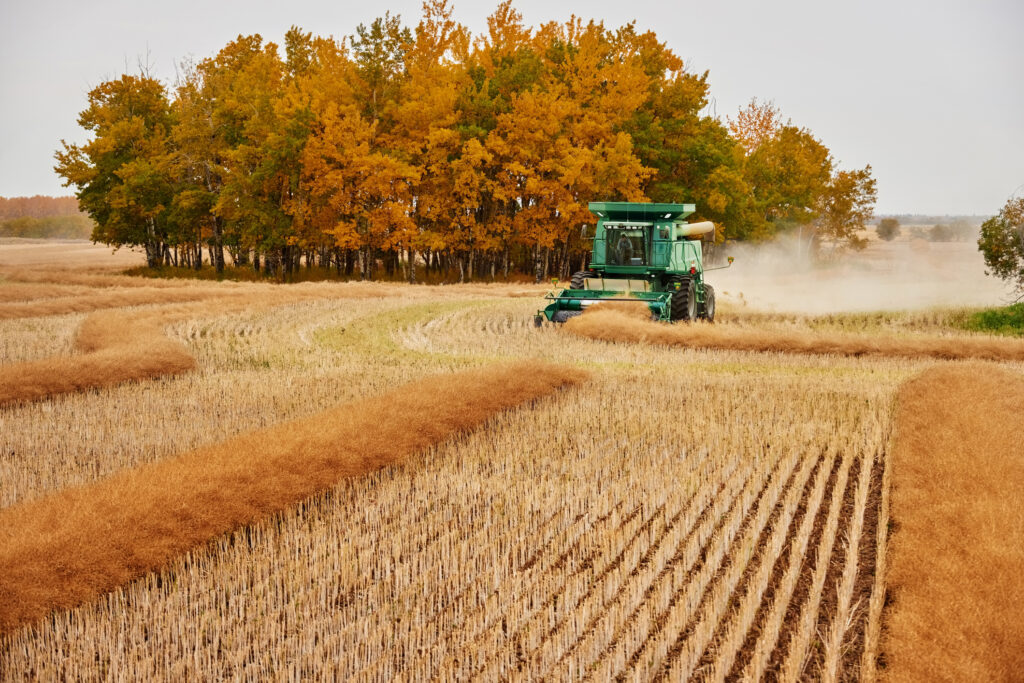
1. Post-harvest tests show the real impact of your management
Sampling during autumn captures the “end-of-season report card” for your soil. It reflects how crops and cover crop management shaped microbial life through the growing season. Studies by Cornell University show post-harvest data shows differences between treatments, with diverse cover rotations supporting higher microbial activity compared to standard fallow fields. In other words, autumn tests provide a clear picture of how your decisions paid off biologically.
2. Results guide action plans for the winter
Nebraska Extension notes that low MBC signals low biological activity and carbon availability—exactly the type of challenge that can be addressed when you act ahead of spring. Autumn is your window to respond before soils go quiet in winter. If MBC trends low, you can jumpstart recovery with practices like:
3. Amendments need time to work
If you know your soil is acidic and requires lime, autumn or manure additions, autumn is the best time to make applications and alterations to the microbial ecosystem. Amending now gives the soil several quiet winter months to equilibrate, ensuring pH is in the right range for nutrient availability and microbial activity by the time you plant again.
4. Fall testing builds valuable trend data year over year
Soil health is about direction, not just snapshots. Measuring MBC and F: B ratios every autumn lets you to track whether regenerative practices are truly building biology year after year. That trendline is powerful for farmers, researchers, and anyone looking to prove results.
Final Takeaway: Think of fall microbial testing during autumn as giving your soil a health check before it goes to sleep. You’ll capture a clear understanding of how the season’s management impacts microbes and receive the insights you need to act. When spring rolls around, and microbial life ramps up, you’ll be ready with soils that are biologically prepared for partnering with plants in helping them grow.