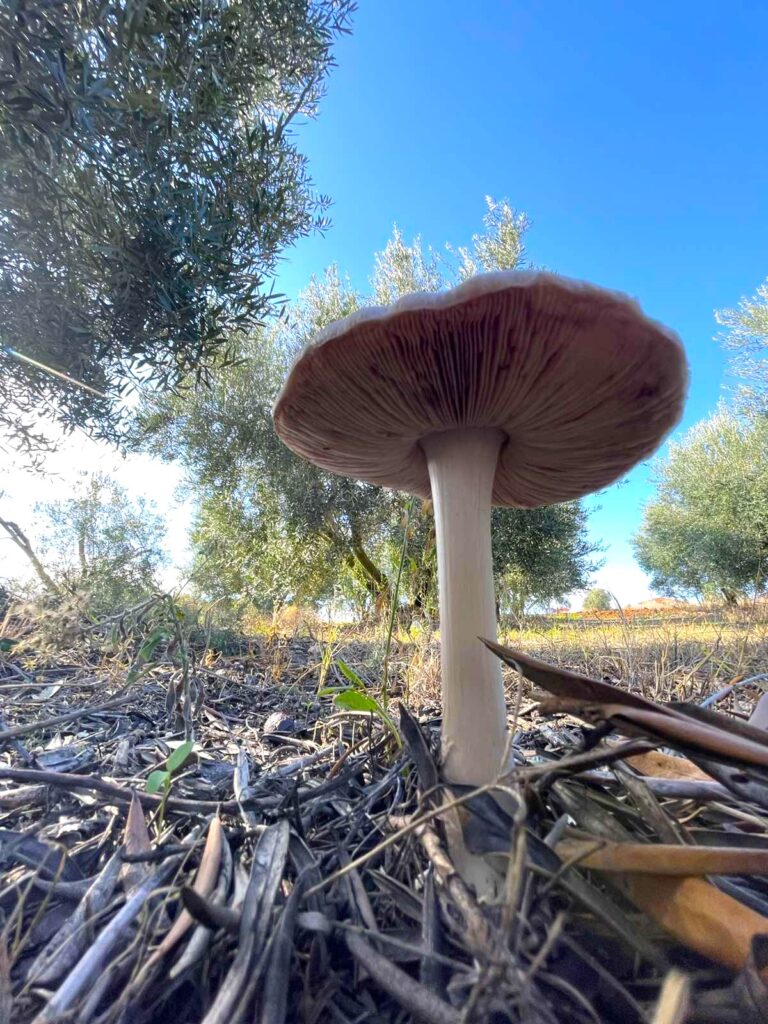
Dimitris Mameletzis is a physics educator and olive grower at Ελαιώνες Μαμελετζή (Mameletzis Olive Groves) in Greece. Dimitris’ project, Terra Vitalis, focuses on transitioning conventional olive groves into self-sustaining, regenerative ecosystems. The company specializes in high-phenolic olive oil (Halkidiki and Koroneiki varieties) by prioritizing soil health over chemical inputs.
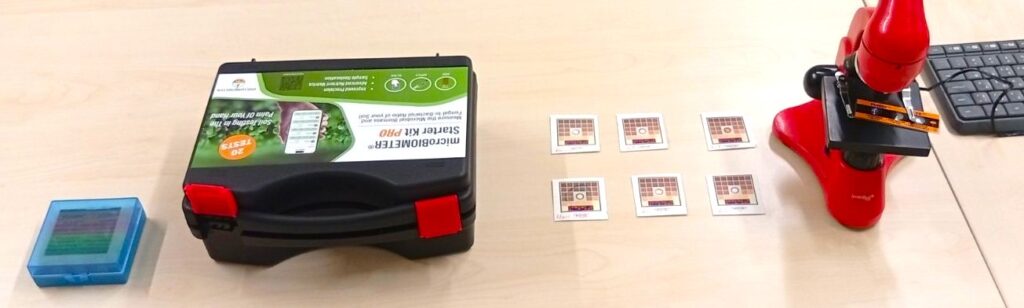
Dimitris has been utilizing microBIOMETER® as a primary tool to scientifically validate their regenerative practices and monitor the impact of Effective Microorganisms (EM) inoculation in the soil and foliage. Their methods include organic mulching using shredded olive branches and local flora (like Taraxacum) and attapulgite soil amendments to enhance water retention in drought-stressed (dry-farmed) groves.
microBIOMETER® results have shown a significant increase in microbial biomass in their Terra Vitalis plots compared to conventional plots. This biological activity is directly linked to the exceptional health of their trees—visible, deep green foliage, zero fungal issues (Cycloconium), and high polyphenol counts (Oleocanthal) in their olive oil, which carries an EU Health Claim. Dimitris enjoys having the ability to monitor soil microbial biomass in real-time as they transition from conventional to chemical-free olive farming.
Dimitris will continue to use microBIOMETER® for on-site monitoring and comparative analysis between different olive groves. Specifically, comparing the microbial biomass in irrigated “transition” plots versus dry-farmed “Terra Vitalis” plots to monitor in real-time how soil biology responds to regenerative interventions.
“The main benefit of microBIOMETER® is the ability to quantify “soil health,” which was previously invisible. It helps us make data-driven decisions on where to apply more organic matter and provides tangible proof to our customers that our regenerative practices actually work. It has bridged the gap between theoretical physics/biology and practical field application. Interestingly, we found that even in dry-farmed (non-irrigated) groves, microbial activity remained resilient during heatwaves, As a physicist, I view this as a transition from a high-entropy, input-dependent system to a low-entropy, self-organizing biological engine.” – Dimitris Mameletzis
Dimitris Mameletzis is a physics educator and olive grower at Ελαιώνες Μαμελετζή (Mameletzis Olive Groves) in Greece. Dimitris’ project, Terra Vitalis, focuses on transitioning conventional olive groves into self-sustaining, regenerative ecosystems. The company specializes in high-phenolic olive oil (Halkidiki and Koroneiki varieties) by prioritizing soil health over chemical inputs.
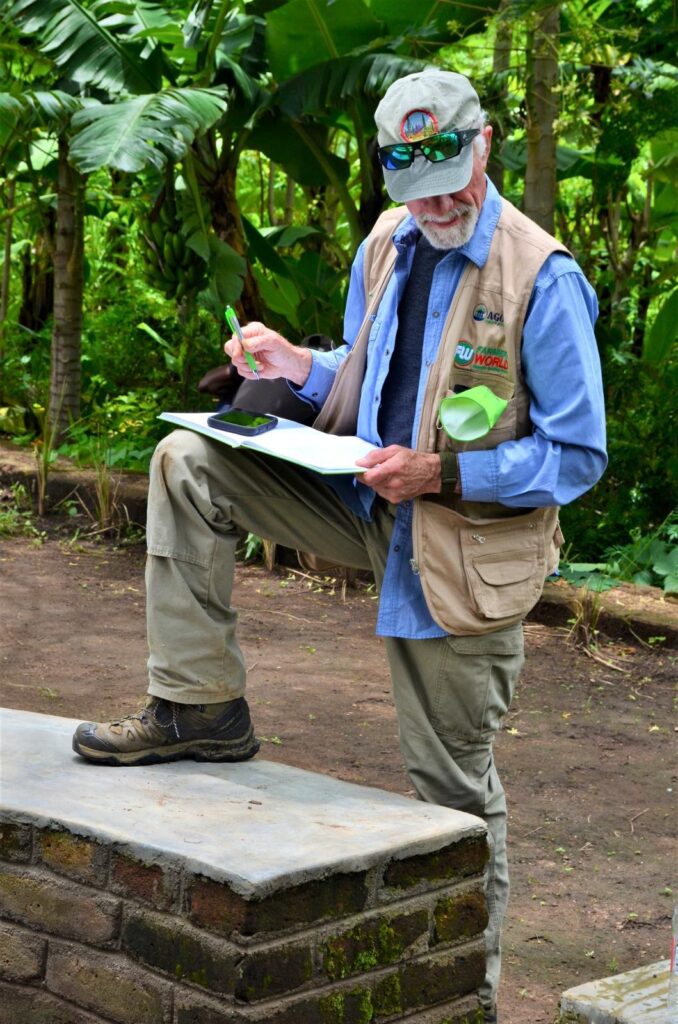
Fred Way has joined forces with APN – the Agroforestry Promotion Network which was founded by Roland Frutig and Lucky Mukasa. He also collaborates with soil stewards and farmers from Kenya, Malawi, Uganda, India and Switzerland.
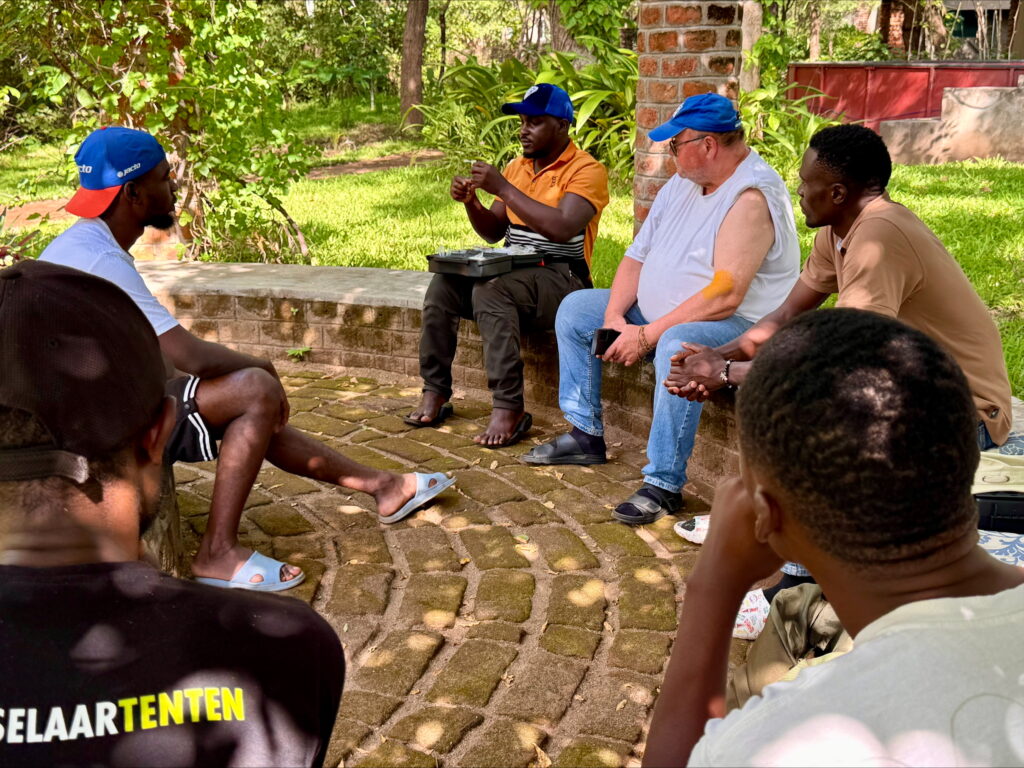
The group travels throughout Africa to Uganda, Egypt, Nigeria, etc. They have educational centers in Malawi and Uganda. Here they host classes several times a year covering various soil practices to assist local growers by enhancing their farming techniques and improvimg forest function. By utilizing microBIOMETER® in these classes, they are able to highlight the importance of soil biology as well as demonstrate how changes in microbial biomass and fungal to bacterial ratio have positive effects on soil.
Whenever they can, they supply farmers with a microBIOMETER® test kit to allow them to easily test and track their soil’s health. While they are still in the beginning stages, their goal is to be able to provide local areas with kits since they are used to determine how native, natural forests function as well.
Fred performed microBIOMETER® testing in a logged forest that was a primary source for rubber in the late 1800’s until tthe early 1900’s. Currently, locals are removing all dead wood for fuel which is creating a loss of food at the trophic level. They use Indigenous microbial organisms (IMOs) in manure and urine (mostly from cows), molasses and other regenerative practices to stimulate the soil. They have discovered that by using these materials, they are able to kickstart the regenerative system. microBIOMETER® has demonstrated that these somewhat unconventional materials are increasing fungal levels over time while bare soil that previously wasn’t producing is now showing signs of life. Their goal is to emulate what’s happening in the forest for their agriculture food production system.
“The affordability and compatibility of microBIOMETER® as well as the real-time results make it easy to understand and track results over time and see improvements quickly. The addition of microBIOMETER® PRO’s advanced calculations and moisture adjustments are a good addition to the test,” – Fred Way