
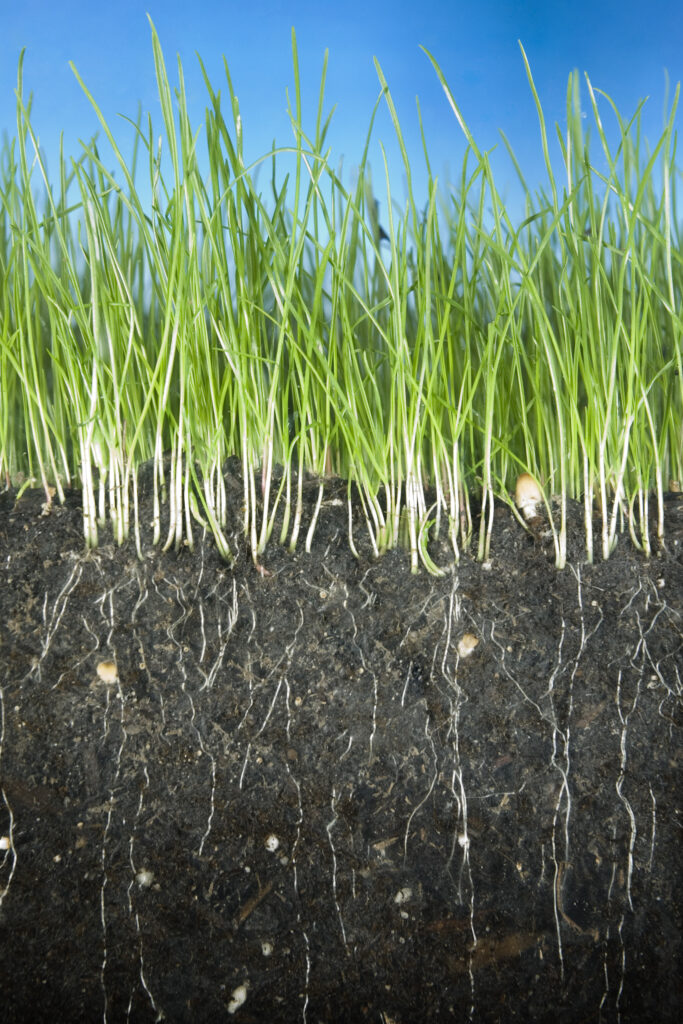
Here’s something that might surprise you: fungi represent one of the most diversified kingdoms on Earth, with estimates reaching up to 12 million species, yet only 150,000 fungal species are currently described. This massive knowledge gap hints at just how much we’re still discovering about these microscopic powerhouses that quietly drive soil health and ecosystem productivity.
The Hidden Network: Understanding Soil Fungi
Soil fungi aren’t just tiny mushrooms waiting to sprout after rain; They’re sophisticated organisms that form extensive underground networks. These thread-like structures, called hyphae, can extend for miles through soil, connecting plants and facilitating nutrient exchange across vast distances. Fungal biomass is particularly important due to its role as a biological bridge. While bacteria excel at breaking down simple organic compounds, fungi are up to 4x more effective at utilizing complex compounds like lignin and cellulose.
Carbon Storage Champions: The Fungal Advantage
Soil stores more carbon than the atmosphere and all living vegetation combined. Fungi play a major role in this process and recent studies have uncovered some fascinating details about their carbon storage capabilities. This challenges previous assumptions about soil carbon dynamics and highlights why fungal biomass matters more than we previously realized.
The Fungal-Bacterial Balance: Why Ratios Matter
Here’s where soil science gets really interesting. It’s not just about having fungi present; it’s about achieving the right balance between fungi and bacteria. Research using RNA sequencing, protein profiling, and isotope tracer techniques has shown that higher fungal-to-bacterial ratios are linked to altered carbon cycling and enhanced soil carbon storage.
The implications extend beyond carbon storage. Fungi contribute to:
Mycorrhizal Magic: Plant-Fungi Partnerships
The symbiotic relationship between plant roots and fungi, specifically mycorrhizal, is incredible. Mycorrhizal fungi form intimate partnerships with a majority of plant species, creating mutually beneficial exchanges that have evolved over hundreds of millions of years. These partnerships work like underground trading networks. Plants provide fungi with carbon-rich sugars produced through photosynthesis. In return, fungi extend the plant’s root system exponentially, accessing water and nutrients from areas the roots could never reach alone.
Environmental Restoration and Fungal Recovery
The importance of fungal biomass becomes even more apparent when examining ecosystem restoration efforts. Desertified system restoration shows that with recovery efforts, plant species richness and aboveground biomass increase significantly, along with improvements in soil organic carbon and total nitrogen. Fungi play a critical role in this restoration process. Their extensive hyphal networks help stabilize soil, reduce erosion, and create the foundation for plant community recovery. As fungal communities reestablish themselves, they facilitate the return of diverse plant species and accelerate ecosystem recovery.

Prolific Earth Sciences is excited to announce the release of microBIOMETER® PRO. This extensive update has been three years in the making and features improved precision, increased consistency between phones, advanced nutrient metrics and sample geolocating. Please update your microBIOMETER® Reader app to 3.8.6 to access the PRO version.
What’s NEW!
• Test card. We redesigned the test card to reduce variance in results between phone models and better adjust for different lighting.
• Results. The results are now expressed as microbial biomass instead of microbial carbon.
• Moisture: We have changed the moisture assumption in our algorithm from 40% to 20% which is more in line with average soils. We also added a feature to allow users to adjust the moisture assumption to reflect soils with moisture contents closer to 10% or 30%. Moisture assumption for compost testing remains at 40%
• Geolocation: This new feature allows users to save the location where their sample was collected and perform the test at a later time while keeping the recorded sample location.
• Advanced Nutrient Metrics: As an understanding of how microbes contribute to nutrient availability increases, we have added calculated metrics to help users understand how their soil microbes are contributing to nitrogen and carbon stores in the soil. These are results extrapolated from microBIOMETER® results and the calculation and assumptions are detailed in the app informational pop-ups and our website FAQs.
• Soil and Compost: The PRO version will test both soil and compost, however, will no longer support direct testing of compost tea or extract.

With the exception of the test cards, all the supplies as well as the instructions will remain the same whether using the Classic or PRO version. The updated app will prompt you to choose a version so you can still use the classic test cards. We will also be selling Classic cards in refills for the foreseeable future. However, all new Starter Kit purchases will now be the PRO version only and contain the new test cards. For customers with ongoing trials, you may want to continue with the Classic test cards to track changes based on historical benchmarked tests.
In the updated app, we have made significant changes to units, underlying assumptions, and calculations. Therefore, we encourage users to continue with one version within a study or experiment since comparing the absolute values of the two is difficult. We have always encouraged using microBIOMETER® as a benchmark test and to focus on the changes over time. We will continue to supply the microBIOMETER® Classic test cards so that ongoing studies and trials can continue. However, we strongly recommend using the PRO version for all new testing and studies.
We would like to thank all of our customers that have given us feedback over the years. Your comments, both good and bad, have helped us improve the microBIOMETER®. Please keep sharing! And as always, we appreciate your continued support.

The Paddock Project, a working market garden providing fresh, seasonal produce to locals and visitors in Mullumbimby, is currently in the process of converting to fully certified organic status, marking an exciting step forward in their commitment to regenerative agriculture. The Paddock is committed to enhancing farming practices using chemical free, syntropic farming principles to guarantee quality produce from their paddock to your plate.
While recently undertaking their very first organic audit—thanks to a generous Grow the Growers grant from Santos Organics—they had the opportunity to test their soil using microBIOMETER® which was recommended to them by their assessor. The microBIOMETER® test provided instant insight into the health of their soil. After seven years of regenerative farming practice, using syntropic “chop and drop” methods, planting trees, and adding natural nutrients, they were thrilled to learn that their soil showed exceptionally high levels of fungal and microbial activity. It was real, measurable proof that their soil stewardship was working and their efforts to nurture and care for the soil were paying off.
So far, the Paddock Project has used microBIOMETER® on their syntropic food forests, however, they are already planning their next round of testing. They hope to implement regular quarterly testing moving forward to track the health of their soil seasonally and adjust inputs accordingly to continue improving soil biodiversity and plant health.
They’re also proud to report that the amount of carbon sequestered in their soil is off the charts further reflecting the positive impact of their practices. Every decision they make is driven by a vision for a healthier, more resilient future.
“What stood out to us immediately was how easy it was to use microBIOMETER®—no need to send samples to a lab or wait weeks for results. In just minutes, we had clear, quantifiable data right from the paddock. The speed and simplicity of the test made it ideal for our busy, hands-on farm environment. microBIOMETER® is an empowering tool for any grower or land steward who wants to make decisions based on real-time soil biology—not guesswork. It’s also incredibly satisfying to see proof that what you’re doing is making a difference. For The Paddock team, microBIOMETER® has become more than just a testing tool—it’s a celebration of how far our soil has come.”
Please visit The Paddock Project on Instagram learn more about the work they are doing.

Bucknell University is a private liberal arts college in Lewisburg, Pennsylvania with excellent research facilities and innovative teaching. Students get the opportunity to work closely with professors in their chosen field.
Students in the Biology 203, Integrative Concepts in Biology, laboratory have a unit all about soil. The students visit the Bucknell Farm to learn about the properties of healthy soil. They then pick a location on campus to study. Students study the health of the soil in different conditions, such as soil with native flowers growing compared to soil under a tree. They measure microbial biomass, soil respiration rate, and various other soil properties to determine the overall health of the soil.
“The microBIOMETER® test allows students to quickly and easily measure microbial biomass and the relative amounts of bacteria and fungi in the soil. It is easy to use for non-experts with very quick results! We have measured huge differences in the microbial biomass at locations across Bucknell’s campus and have been surprised to have very high levels of biomass in the grassy areas, too!” – Rebekah Stevenson, Director of Core Course Laboratories – Biology Department


 American BioChar Company is a Michigan-based company run by longtime green industry couple, Mark & Laurie Mann. For more than two decades, they have been researching and developing programs and products to improve soils, root conditions, and plant growth in urban, rural, and agricultural landscapes.
Over the last 3 years, they have conducted trials on blueberry farms in SW Michigan, using the microBIOMETER® and other soil-metric tests. The trials compared soils of blueberry bushes treated with their VITAL Blend soil amendment to those with untreated soil. Data was collected in the spring, summer and fall each year to demonstrate the natural ebb & flow of microbe communities in soils. Not only does the data show the steady increase of soil microbial biomass, but overall the trial sites have improved soil structure and more nutrient dense crops.
“The biggest impact we have in using the microBIOMETER® is demonstrating the successful transformation within the soil, following applications of our different biochar blended soil amendments. It provides confidence in our product and helps move the client conversation toward the biological benefits of our product. When a client is able to see and track the fungal to bacterial ratio for their soil overtime, it is very empowering.”
American BioChar is also undergoing several other trials throughout the mid-west with corn, cannabis, soybeans, and tree rhizospheres, using both their VITAL Blend and their new GRATEFUL Blend living soil. As both blends provide active and fixed carbon to soil, these trials were aimed to enhance and increase soil biology and restore nutrient density. Pre- and post- application photos can show how these products improved overall crop production.
Recently, Laurie Mann and microBIOMETER® president Laura Decker participated in Heart & Soil Magazine‘s Soil Summit discussing “How to Increase the Speed of Microbe Growth”. Click here to watch!

 Overton Environmental Enterprises, Inc. is a Canadian company that develops innovative biotechnology solutions that reduce reliance on chemical fertilizers and pesticides.
Their EcoTea™ products and research are focused on helping farmers work with soil ecosystems instead of against them. In their years of research they have proven direct results from using broad spectrum biology but the impacts in the soil and changes in soil quality have been harder to showcase.
Three seasons ago they discovered the microBIOMETER® testing system. These tests have given them a way to benchmark pre application conditions, the post application changes and most importantly the improvements over time. This real-time way for farmers to see the unseeable has given them confidence in the value of biology for their soils and programs. They use microBIOMETER® to augment field data (i.e. help correlate scores with plant health data and yield). microBIOMETER® has allowed them to show how EcoTea™ can influence root bacterial to fungal ratios and determine (at least in part) the amount of resources the plant is allocating to the rhizosphere.
The microBIOMETER® has given us another way to showcase how re-introducing biology can help our soils and the hard-working communities that rely on them.”
EcoTea™ is a biological product with biodiversity like no other, built on the vision of soil biodiversity enhancing professional success. EcoTea™ combines a wide array of plant-supporting microorganisms fortified with added biostimulants to enhance soil quality and nutrient function. Diversity is the key, allowing our products to adapt and meet your individual site needs, based on plant response and requirements. Our proprietary process built with ecological engineering provides the functional microbial community associated with healthy crops and soil.
Can Grow Crop Solutions, a company focused on providing market-leading fluid solutions and service, has been incorporating microBIOMTER® into their business with positive results. Shawn Brenneman, Director of Commercial Growth & Strategy at Can Grow, shared a bit about their company and the testing they are performing.
Vibrant, diversified soil biology is essential in growing crops for maximum yield and quality, Can Grow works with farmers on getting the most out of their cropping systems. They do this through increasing nutrient use efficiency, reducing crop stress, and helping soil/biological systems function at higher levels. Utilizing microBIOMETER® allows their customers to have a greater understanding of how soil type and management practices impact soil biology and advise them on potential solutions to improve performance.
The microBIOMETER® helps Can Grow and their customers determine a baseline of organisms within an entire field or production area that may be high or low yielding. It allows the company to track the improvements their solutions make on the balance and diversity of micro-organisms in the soil. Microbial systems are often hard for growers to understand because they can’t be seen. microBIOMETER® creates a clear picture by quantifying which solutions work in supporting soil health and which ones do not.
 In a bio-fertility trial, ReNew (bacteria/fungi team from Biodyne USA) was applied in furrow with water to corn, Can Grow then evaluated the microbial diversity in the root system of the microbial treated area vs. the non-treated area. The untreated soil had a F: B ratio of fungi 4% and bacteria 96%. This level was much lower than what they wanted for yield optimization. However, it was consistent with what they generally see in tilled, high crop protection use fields. The ReNew treated area had a F:B ratio of fungi 29% and bacteria 71% showing the biology was colonizing the root zone area and providing fertility benefits to the crop.
About Can Grow: The company is much more than a fluid fertilizer company. They have a long, successful history of innovating, adapting and manufacturing fluid solutions to maximize plant potential and soil performance. As a manufacturer, they have the technology and knowledge to innovate and adapt proven fluid solutions to meet changing needs in any market. They assist their clients in addressing factors beyond their control, such as changing environmental conditions, through foliar combinations for application throughout the season.
Find out more at: www.cangrow.com
 Amanda Foxon-Hill, a chemist by trade, is working with Mid Lachlan Landcare in the region of NSW, Australia. Mid Lachlan Landcare is a community organization committed to the regeneration of land. Their work includes Regenerative Agriculture, Box Gum Woodland Conservation, Superb Parrot Habitat, Community Gardens, Education & more. Cowra is the main town in their Landcare region which consists of various soil profiles. It is rich in farming land with cropping and grazing.
Amanda designed and performed a soil research project funded by the BCT (Biodiversity Conservation Trust). She took soil samples from farms, conservations and public land across the region to map their soil microbiome. Her goal was to see if she could establish a ’normal’ or ’typical’ range of microbes for each type of landscape and soil.
Amanda looked at grazed vs ungrazed land, mono-cropping vs mixed pasture etc. but that was really secondary to the soil geology and microbe link as there was a short window to complete this round of tests and farm management decisions such as what crop to grow, for instance, requires testing over multiple time points.
As part of the project, Amanda trialed microBIOMETER®. Microbes are essential for soil fertility and almost all plants work cooperatively with microbes to access the nutrients they need to thrive. The relationship between plants and microbes is dynamic; changing with the season, how the land is managed, plant species and life-stage, climate and the soil structure and composition.
“Overall, we feel this project has successfully delivered insights into how the Mid Lachlan region’s soils microbiome functions with respect to landscape features and management decisions although it’s clear there’s still a lot more work to do. Also, after putting the microBIOMETER® through its paces we believe it’s a useful tool for those looking to gain a deeper understanding of their soil. Our advice would be to use the microBIOMETER® or similar microbiology assessment tool/ protocol alongside your existing soil testing tools, at regular intervals to monitor the effect management decisions have on the soil microbiota over time.”
 Ithaca Central High School science teacher Robert Tuori is conducting a study to examine short term changes in soil health at Nook And Cranny Farm, a diverse vegetable farm, as an independent research project for the USDA Climate Change Adaptation and Mitigation Fellows.
Utilizing both the microBIOMETER® and Cornell Soil Health Assessment, Robert and students will compare tilled vs non-tilled soil in 4 crop beds, each containing either brassica or cucurbit, and flipping crops midseason. The beds were covered in October of last year with a cocktail of winter rye, vetch, and triticale. These cover crops were grown until early May, then covered with a black silage tarp for one month. The brassicas were planted into hay mulch while the cucurbits were planted into biodegradable plastic mulch.
Robert is particularly interested in looking at easy, on-farm testing, as well as lab analysis. They will conduct microBIOMETER® testing on each bed three times throughout the season: before planting, midseason before second planting, and at the end of the season. For the lab based analysis, they will measure nutrient levels in each bed at the beginning and at the end of the study, as well as perform the Cornell Soil Health Assessment on all four beds at the end of the study.
Emil Racelis, a 6th grader in McAllen, Texas, utilized microBIOMETER® in his science fair project at IMAS (International Museum of Art & Science) and was awarded 3rd Place in the middle school division!
As a control, Emil tested three different store bought bagged soils with microBIOMETER®; top soil, organic potting soil and commercial potting soil. The top soil had a very low levels of microbes while the organic and commercial potting soils had a high level of microbes. Emil then collected soil samples in his community garden from areas with high plant diversity (five or more species in the sample plot) and areas of low plant diversity (areas with two or less species per sample plot).
His hypothesis was that areas with higher plant diversity would have more microbes, but that is not what he found. There were low/medium levels of microbes in all the plots sampled, therefore, no solid conclusion could be made. Emil believes the results stemmed from drought conditions they were currently experiencing in Texas. The garden was watered sometimes, but not that much. Emil would like to do more microBIOMETER® soil testing in the future during a season with more rain.
“I had a lot of fun using the tests and I got some pretty cool results even though they were not what I expected. I found the process really interesting and the test easy to perform. I hope I get to use microBIOMETER® again some day.” -Emil Racelis
“Emil really got into this project, and was fascinated by what he found, which only leads to more questions! Now he really wants to do more experimenting to see what helps the soil microbes. We have a garden, and he is talking about testing the results of compost tea, and other organic additives, as well as looking at the affect of drought vs rainy season. We may have to save up for more tests! You got us hooked! It was so cool to see him using the tests independently. I love how user-friendly your system is.” – Alison, Emil’s mom
Please click here to view more science fair projects using microBIOMETER®. If you would like to include microBIOMETER® in your next school or science fair project, contact us for details!


